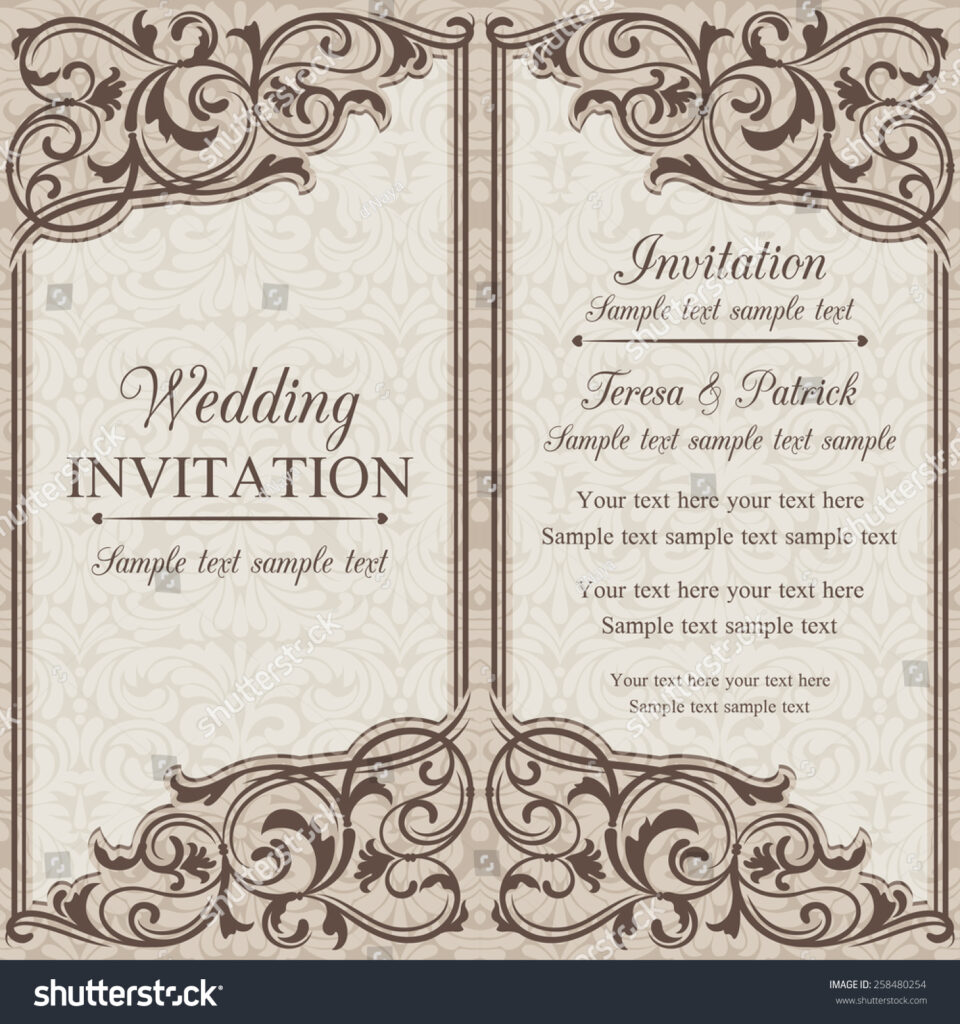

In today’s fast-paced digital world, where invitations are often sent electronically with a click, the art of the old-fashioned invitation enclosure continues to hold a special, enduring charm. These classic additions to formal invitations not only provide important information but also convey a sense of tradition, elegance, and thoughtful attention to detail that digital messages rarely capture.
What Is an Old-Fashioned Invitation Enclosure?
An invitation enclosure is an extra card or insert placed inside the invitation envelope alongside the main invitation. Traditionally printed on fine paper to match the style and design of the main invitation, these enclosures serve as a refined way to share additional details without cluttering the primary invite. In times past, the etiquette surrounding enclosures was highly regarded, ensuring clear communication with guests in a polite and aesthetically pleasing manner.
Common Types of Traditional Enclosures
Several types of enclosures have become staples in formal invitations over the years:
- Reception Card: When the reception location differs from the ceremony venue, a separate card provides guests with the time and place for the celebration.
- Reply Card (RSVP): Before online RSVPs, guests would mail back these cards to confirm attendance, often accompanied by a pre-addressed, stamped envelope.
- Direction or Map Card: Especially for venues in remote or countryside settings, printed directions or maps helped guests find their way.
- Accommodation Card: Out-of-town guests received details about nearby lodging options to assist with travel planning.
- Dress Code or Etiquette Card: A small card outlining the dress code or event protocols, such as “Black Tie” or “Formal Attire,” ensured guests came appropriately prepared.
Materials and Craftsmanship
What sets old-fashioned enclosures apart is the quality of materials and craftsmanship. They are often made from luxurious cotton or linen paper with hand-deckled edges, printed using elegant techniques like engraving or letterpress. Calligraphy or formal serif fonts add a final touch of sophistication, making each enclosure a miniature work of art that complements the main invitation.
Etiquette and Presentation
Traditional etiquette for assembling invitation sets emphasizes order and respect for the guest experience. Enclosures should never duplicate information already on the main invitation, and cards are typically stacked by size—largest at the bottom, smallest on top—with the main invitation facing the envelope flap. RSVP cards face up, with their envelopes placed behind them, reflecting careful consideration and attention to detail.
Why Old-Fashioned Enclosures Remain Popular
Despite the convenience of digital invitations, many hosts continue to embrace old-fashioned enclosures for their unique benefits:
- They convey formality and respect, setting the tone for the event.
- They create a memorable unboxing experience, engaging guests from the moment they open the envelope.
- They honor cultural and family traditions, preserving a sense of heritage.
- They enhance the overall aesthetic, adding layers of beauty and tactile pleasure.
Blending Tradition with Modern Convenience
Many modern hosts combine classic enclosure styles with contemporary design elements. It’s common to see QR codes or wedding website URLs elegantly incorporated on traditional paper, balancing timeless charm with easy access to digital information. This hybrid approach satisfies both style and practicality, making invitations meaningful and user-friendly.
Conclusion
Old-fashioned invitation enclosures are much more than just supplementary cards; they are symbols of elegance, tradition, and thoughtful communication. Whether for weddings, formal dinners, or special celebrations, these timeless elements continue to enrich invitations—offering guests a glimpse of the care and respect that lie behind every well-planned event.